Prepare a quiet, warm space before the appointment. Follow the vet instructions on food and water. A symptom described from memory is weaker than a note with dates, so record what changed and when before calling the vet.
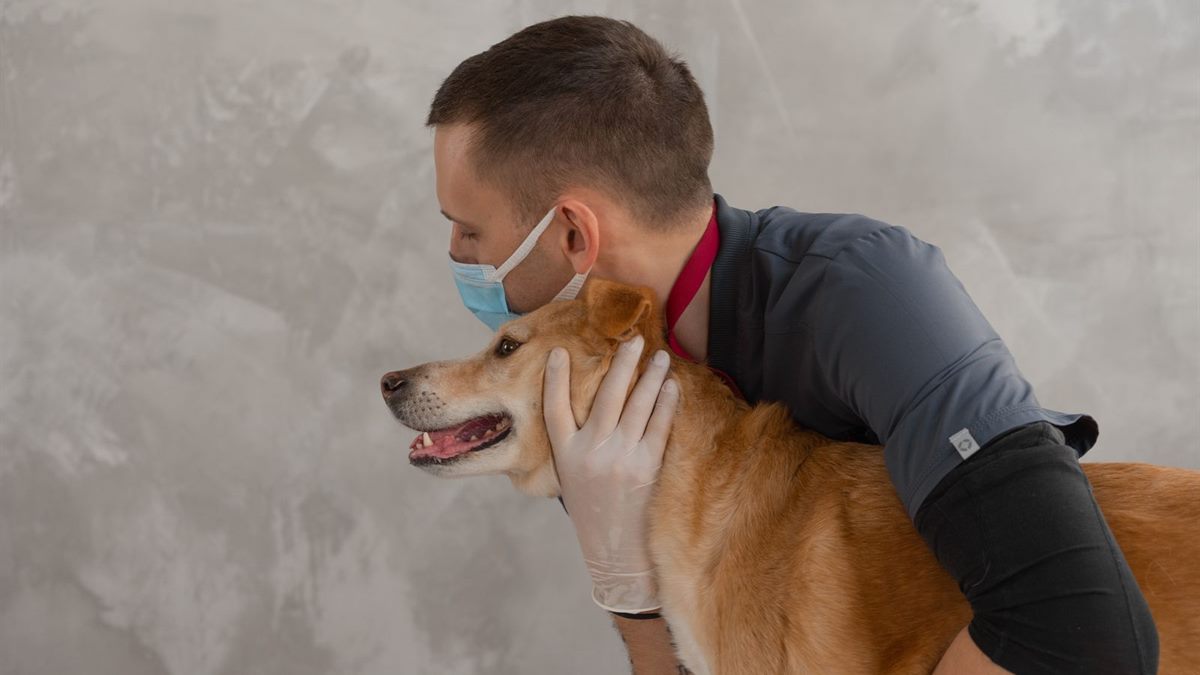
Write down what you see
Use a cone or a recovery suit to protect the incision. Check the incision daily for redness and discharge. Some signs should not wait for a routine appointment, and knowing which ones saves time when it matters.
Know the warning signs
Restrict jumping and stairs for the recommended period. Keep the pet indoors and calm. A prepared visit is shorter, cheaper, and more useful, because the vet spends the time on the animal rather than on the history.
Keep a simple log for a week before the visit: food intake, water, toilet habits, activity, and any change in breathing or behaviour. Photograph anything visible, such as a lump, a limp, or a skin change, because a photo is more useful than a description. Bring the medication list, the weight history, and the vaccination dates, and write your two most important questions at the top of the page so they are not forgotten. Ask the clinic what to bring before the visit, since some tests need a fresh sample or a fasting animal, and turning up unprepared wastes an appointment. Note the time of day each symptom appears, because timing helps the vet narrow the cause. If the animal takes several medications, ask for a written schedule and confirm the interactions rather than assuming the pharmacy checked.
Use a litter that does not stick to the wound for cats. Treatment only works if the household can give it consistently, so ask about the practical side before leaving the clinic.
Before the next appointment
- Quiet recovery space
- Protect the incision
- Restrict jumping
- Check the wound daily
Prepare for the appointment
Watch for lethargy that lasts more than a day. Call the vet if the wound opens or swells. Preventive care is cheaper than emergency care, and the annual check is where most of it happens.
Do not bathe the pet until the vet approves. Keep other pets away during the first days.
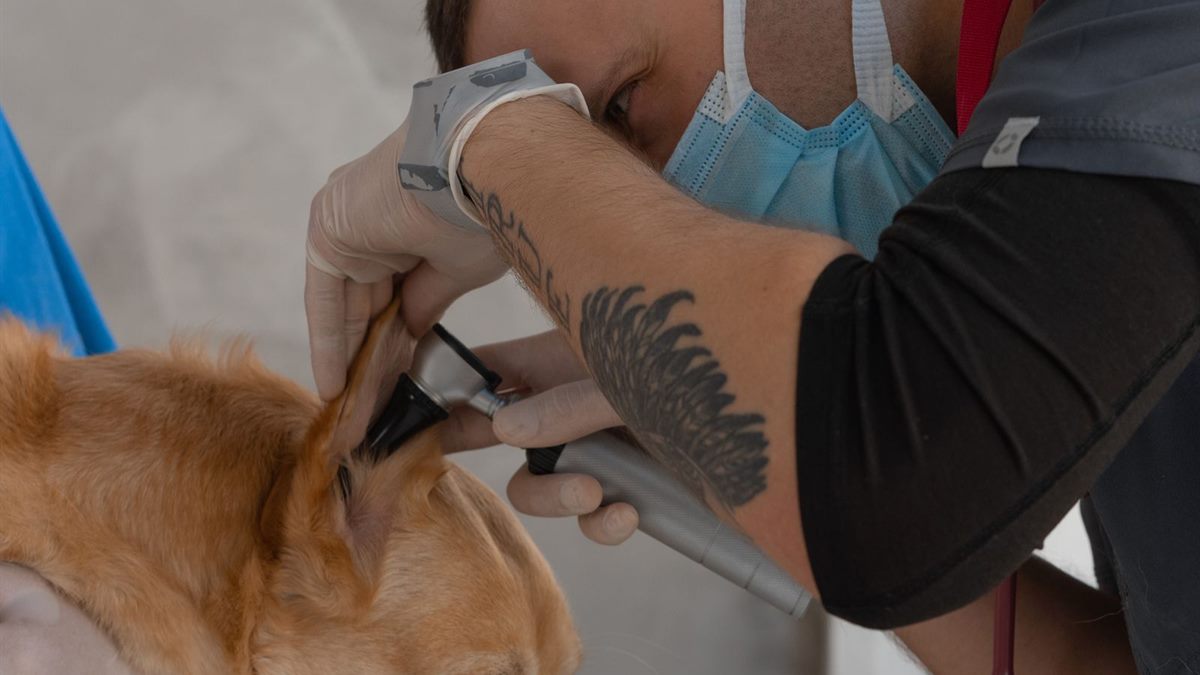
Follow the plan at home
Offer small meals rather than a large one. Note the medication schedule. Keep one folder for records, so the history is available when a new clinic asks.
After the visit, follow the dosing schedule exactly and note any reaction. If the animal refuses the medication, call the clinic rather than guessing at a replacement, because some drugs cannot be split or swapped. Keep the follow-up date in a calendar, and remember that a second opinion is reasonable when the plan is not working, but it should come with the records rather than without them. Keep the medicine in its original box with the label readable, and store it away from heat and damp, since a bathroom cabinet is often the worst place. Note the date each course started and finished, because repeat prescriptions depend on that history. If the animal improves, finish the course unless the vet says otherwise, and if it gets worse, call the same clinic rather than a new one.
Prevent licking, which causes infection. Keep the follow-up appointment. Rest is the main part of the recovery. If you want the wider picture, read Pet Weight Management Without Crash Diets before you decide.
For the underlying guidance, see the AAHA pet health resources.
Frequently Asked Questions
How long is recovery after neutering?
Usually seven to fourteen days, depending on the procedure and the species.
Should I use a cone or a suit?
Either works. The aim is to stop licking. Choose what the pet tolerates.
What if the incision looks red?
Call the vet. Redness, swelling, and discharge can signal infection.
When can my pet exercise again?
Follow the vet advice, usually after the wound has healed.
Read next
Vet Visit Checklist: What to Bring and What to Ask
A good vet visit starts at home. Notes, records, and a short symptom log turn a rushed ten minutes into a useful appointment.