Vet appointments are short. The difference between a useful visit and a vague one is usually what the owner brought: records, a written symptom log, and two or three clear questions. Preparation is also the cheapest way to reduce stress for a pet that already dislikes the clinic.
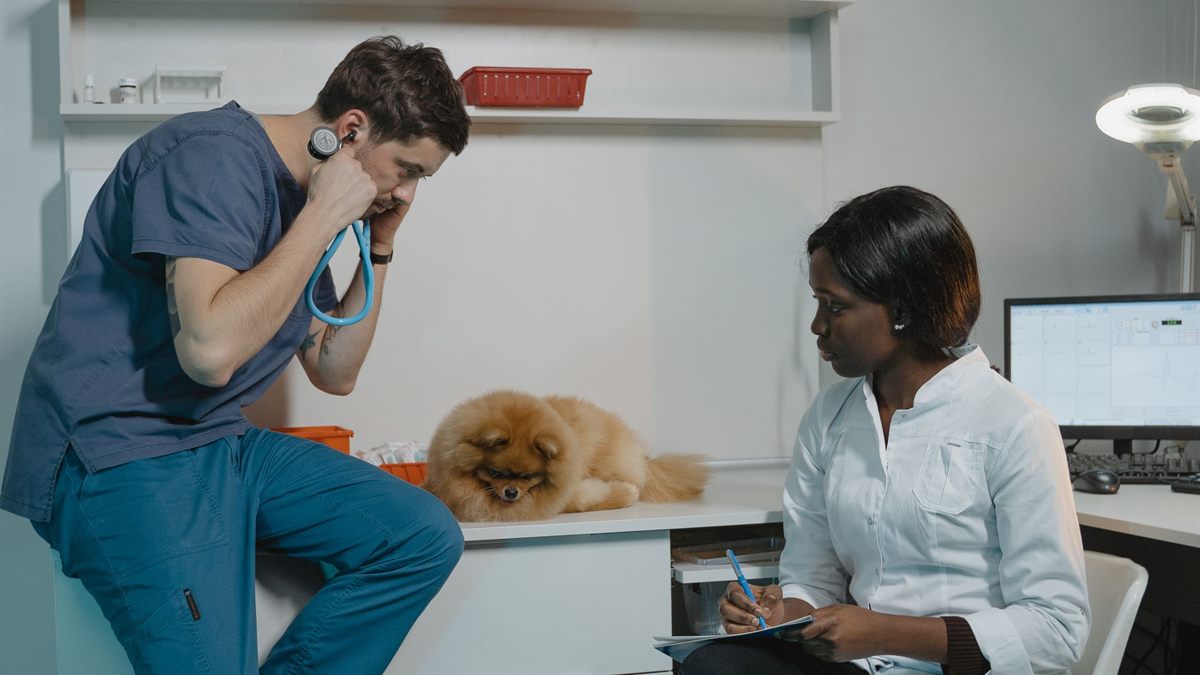
Bring the paperwork and the history
Take the vaccination record, any previous clinic notes, and the names and doses of current medication, including supplements. If the pet came from a shelter or breeder, bring what you were given. A gap in the vaccination history changes what the vet recommends.
Add practical details the file will not have: the food and portion size, the exercise routine, and any recent change in the household such as a new pet, a move, or a new baby. Behaviour changes often have environmental causes, and the vet cannot guess them.
Write a symptom log before you go
Memory compresses time badly. Note when the problem started, how often it happens, and what it looks like. For vomiting or diarrhoea, record frequency, colour, and whether food or water stays down. For limping, note which leg and whether it is worse after rest or exercise. For itching, note the location and whether it is seasonal.
Photos and short videos are worth more than adjectives. A video of a cough, a seizure, or an odd gait gives the vet information that a description cannot. Take the video before the appointment, not in the consultation room.
Prepare the pet, not just the bag
- Use a secure carrier for cats and small pets, with a familiar blanket inside.
- Walk dogs before the visit so they arrive calmer and can toilet.
- Skip a large meal right before the appointment unless the vet asked otherwise.
- Bring a favourite toy or treat that the clinic will allow.
- Keep the carrier covered in the waiting room to reduce visual stress.
- Handle paws, ears, and mouth gently at home in the days beforehand.
Questions worth asking
Ask what the diagnosis is based on and what the alternatives are. Ask what the treatment is expected to do, how long it should take, and what would count as improvement. Ask what side effects warrant a call, and what the total cost of the plan is, including follow-up visits and tests.
If a test is recommended, ask what the result will change. Sometimes the answer is a clear decision; sometimes it is reassurance. Both are valid, but you should know which one you are paying for. Ask for the written plan or a summary before you leave.
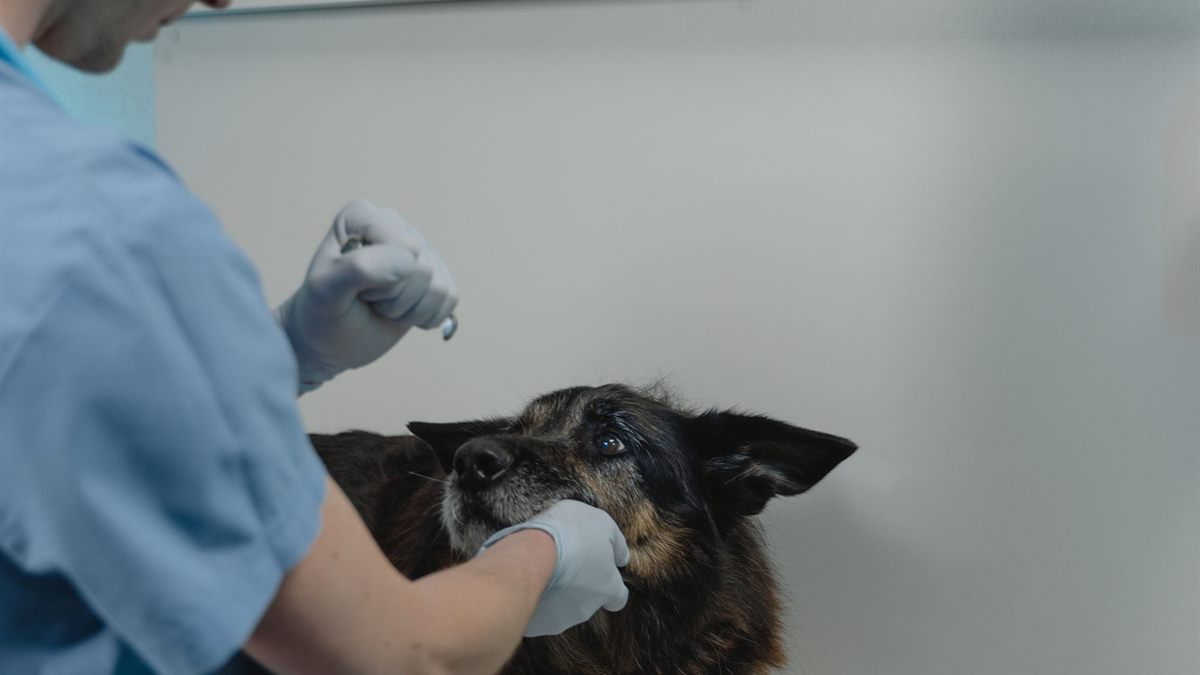
Preventive care and records
Keep a simple file: vaccination dates, parasite treatment dates, weight at each visit, and any chronic condition. Weight is the single most useful trend line for dogs and cats, because gradual gain or loss is easy to miss at home and often the first sign of a problem.
Book the next appointment before you leave if the vet recommends a recheck. The AVMA pet owner resources cover preventive care schedules and common questions in more detail.
If weight came up during the visit, the next step is practical: the guide to pet weight management explains how to measure portions and track progress without guesswork.
Frequently Asked Questions
What should I bring to a vet appointment?
Vaccination records, previous notes, a list of current medication and supplements, a written symptom log, and any relevant photos or videos. Bring the pet in a secure carrier or on a lead.
How do I reduce stress for a cat at the vet?
Use a secure carrier with a familiar blanket, cover it in the waiting room, avoid a chaotic journey, and handle paws and ears gently at home beforehand. Ask the clinic about quiet waiting options.
What questions should I ask about treatment?
Ask what the diagnosis is based on, what the treatment should achieve, how long it should take, what side effects warrant a call, and the total cost including follow-up.
How often should an adult pet see a vet?
Most healthy adult dogs and cats benefit from an annual check-up, with more frequent visits for seniors or pets with chronic conditions. Follow your vet recommendation for your pet.
Read next
Pet Weight Management Without Crash Diets
Weight creeps on in handfuls of treats and slightly generous scoops. The fix is measurement, not a drastic diet that the household cannot sustain.