Choose a same-sex pair or a neutered male with a female. Introduce the pigs on neutral ground. A small pet needs floor space, deep bedding, and steady temperatures, and most starter cages provide less of each than the animal requires.
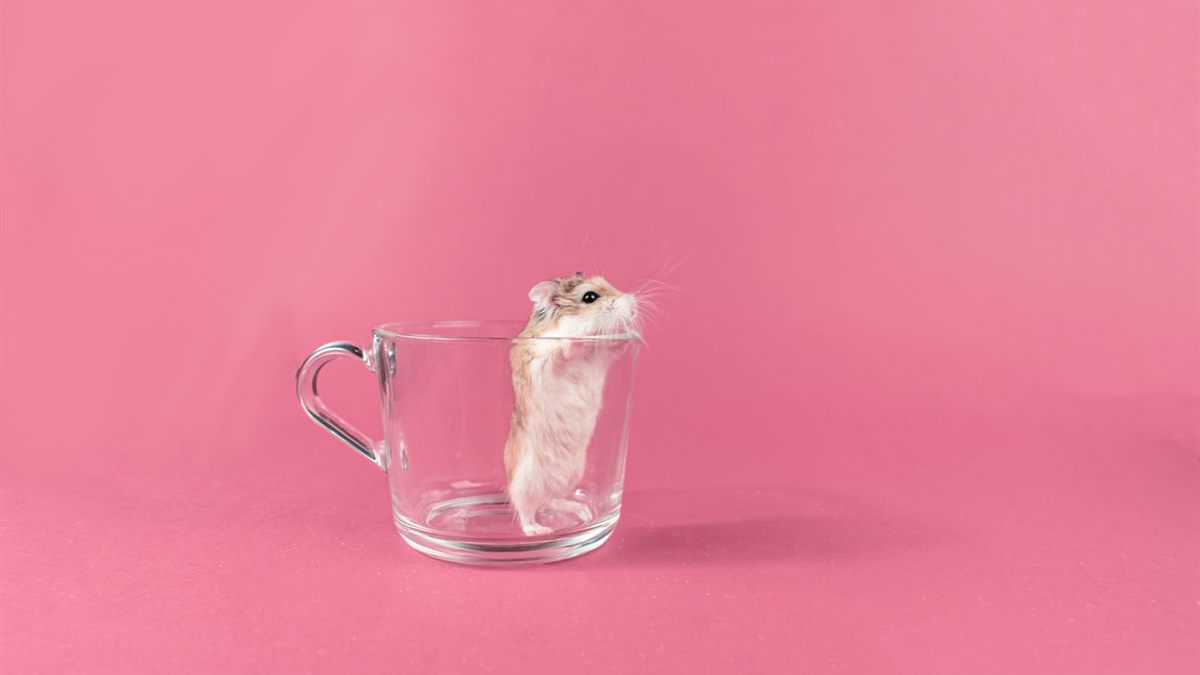
Space and bedding come first
Provide two of everything: hides, bowls, and water. Keep the space large enough for both to avoid each other. Hamsters, rabbits, and guinea pigs have different diets, so a generic small-pet mix is the wrong starting point.
Match the diet to the species
Watch the body language during the introduction. Expect some rumblings and mounting, which is normal. Small pets are prey animals, which means handling should be short, supported, and predictable rather than frequent.
Measure the space you can give before choosing the animal or the cage, because the enclosure is the part that cannot be fixed later without cost. Check the bedding depth the species needs, the wheel size for a hamster, and the height a rabbit needs to stand. Read the ventilation path, then place the enclosure away from radiators, draughts, and direct sun, since temperature swings cause more problems than cold alone. Read the species guidance from a welfare organisation rather than the shop, because shop advice is usually shaped by what is in stock. Buy the largest enclosure the room allows, and place it on a stable surface away from noise, so the animal is not shaken by every door. Adjust the bedding depth for digging and nesting, and check that the water bottle or bowl cannot be tipped.
Separate only if there is real aggression or injury. A cleaning schedule prevents more illness than any supplement does.
Before buying the enclosure
- Same-sex or neutered pair
- Neutral ground
- Two of everything
- Two exits per hide
Handle calmly and rarely
Do not separate and reintroduce repeatedly. Keep the cage clean to reduce tension. Ventilation matters as much as warmth, because stale air causes respiratory problems quickly.
Check the hides have two exits so no pig is trapped. Feed in separate bowls placed apart.
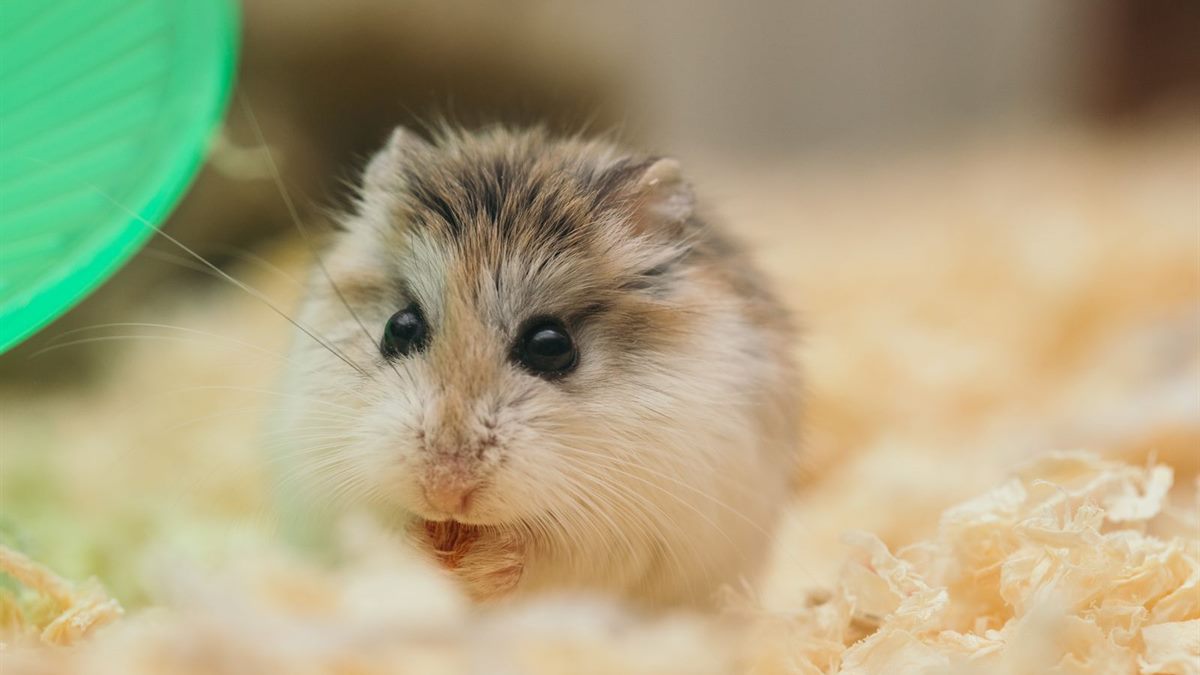
Clean on a schedule
Weigh both pigs regularly after pairing. Consult a rescue for a compatible pair if needed. The enclosure is the pet environment, so improvements there beat new accessories every time.
If the pet hides, stops eating, or breathes noisily, treat it as urgent rather than shy, because small animals decline quickly. Keep the routine steady, handle only what the animal tolerates, and clean in sections rather than replacing all bedding at once. A week of observation before any change usually prevents a purchase that solves nothing. Weigh the animal weekly on a small kitchen scale if the species tolerates handling, because weight is the earliest sign that something is wrong. Write the number down, photograph the enclosure after cleaning, and keep the food bag so the vet can read the label. Small pets hide illness well, so a change in weight, droppings, or breathing deserves a call the same day.
Avoid pairing boars during adolescence without space. Give the pair time to settle before judging. A compatible pair is calmer than a single guinea pig. If you want the wider picture, read Keeping Small Pets Cool in Heat before you decide.
For the underlying guidance, see the RSPCA small pet advice.
Frequently Asked Questions
Can guinea pigs live alone?
They are social and should live in pairs or groups.
How do I introduce guinea pigs?
On neutral ground with plenty of space and two of every resource.
Why are my guinea pigs fighting?
Usually space or resource competition. Enlarge the cage and add duplicates.
Can a male and female live together?
Only if one is neutered, otherwise breeding is unavoidable.
Read next
Hamster Cage Basics: Space, Bedding, and Layout
A hamster cage fails on floor area and bedding depth long before it fails on toys. Get those two right and the rest of the setup gets simple.