Most carriers are bought in a hurry, usually the day before a vet appointment, and chosen for colour or price. The result is a box the pet barely fits in, with a door that pops open under stress. A carrier is safety equipment. Measure first, then choose the material and the door mechanism.
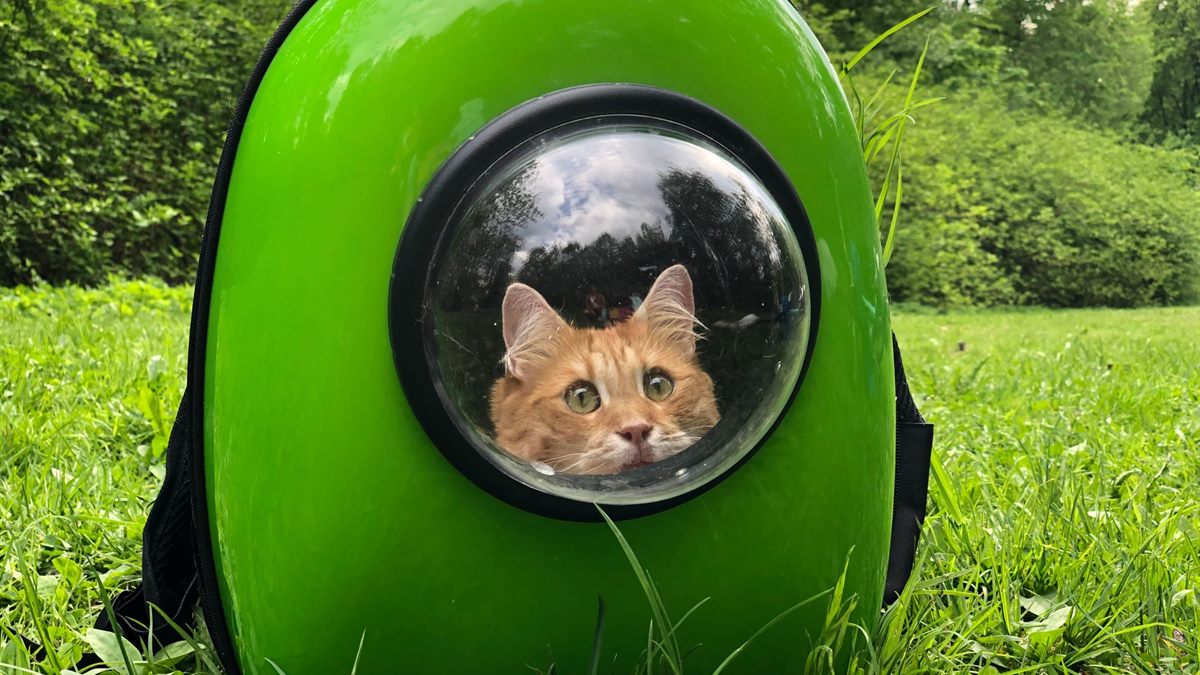
Measure the pet standing up
Measure height from the floor to the top of the head or ears, length from nose to the base of the tail, and width across the shoulders. The carrier should let the pet stand, turn around, and lie down fully. Add a few centimetres to each measurement for movement and bedding.
Do not buy for a kitten or puppy and expect it to last. A carrier sized for an adult is too big for a tiny animal and too small a year later. If you must buy one, buy for the adult size and block part of the interior with a folded blanket for a young pet.
Hard or soft sided
Hard plastic carriers are easier to clean, hold their shape, and are usually the safer option in a car when secured with a seatbelt. They also meet most airline cabin rules. Soft carriers are lighter and fit under a seat more easily, but they collapse if crushed and are harder to disinfect.
For cats that panic, a hard carrier with a top opening is a practical advantage: you can lower the cat in rather than pushing it through a small front door. For small dogs, a hard carrier with a wide front and a removable lid is easier to lift an injured animal out of.
Check the details that fail under stress
- Latches that lock, not friction clips that pop open.
- A door that cannot be pushed inward by a determined paw.
- Metal or thick plastic bars rather than thin wire that can bend.
- Ventilation on at least three sides, not just the door.
- A solid floor, not mesh that catches claws.
- No sharp edges or gaps where a collar or paw can catch.
Car and airline rules
In a car, an unsecured carrier becomes a projectile in a sudden stop. Put it on the floor behind a seat or secure it with a seatbelt through the handle. Do not place it on a passenger seat unsecured, and never leave a pet in a parked car.
Airline rules vary by carrier and route, so check with the airline before buying. Cabin carriers have strict maximum dimensions, and cargo rules require specific ventilation and labelling. The IATA live animals guidance explains the container standards airlines work from.
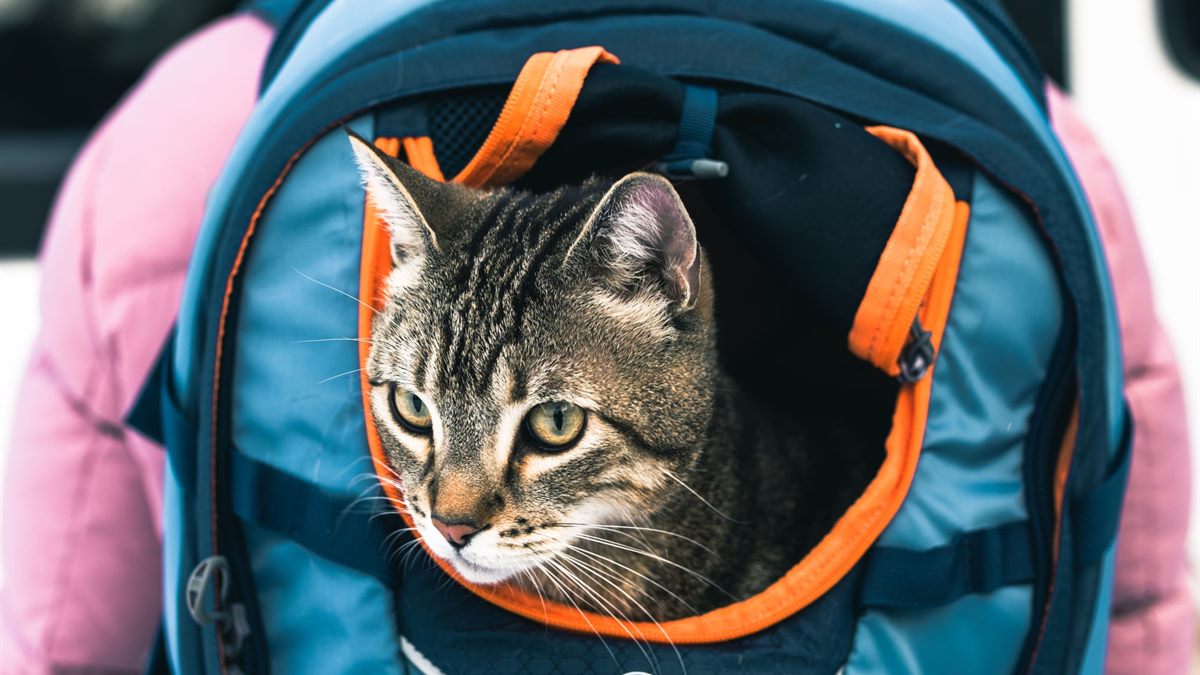
Train the pet before the first trip
Leave the carrier open in the room for a week with bedding and a treat inside. Feed meals near it, then inside it, and close the door for a few seconds at a time. A carrier that only appears for vet visits becomes a warning sign; a carrier that lives in the room is furniture.
For cats, a pheromone spray on a cloth inside the carrier can help. For dogs, a short drive to somewhere pleasant teaches that the car is not only for the clinic. Never force a pet in through a small door if a top opening or removable lid is available.
Cleaning and storage
Wash the carrier after every trip with mild soap and water, and dry it fully before storing. Urine and stress scent linger in plastic and mesh, and a carrier that smells of the last vet visit makes the next one harder. Store it assembled and open so it does not deform.
If you travel regularly, a second carrier for a second pet is worth the cost; sharing one carrier between two animals on the same day is a stress amplifier. For feeding routines at home, see the guide to automatic pet feeders.
Frequently Asked Questions
What size pet carrier do I need?
Measure the pet standing: height to the head or ears, nose to tail base, and shoulder width. The carrier should allow standing, turning, and lying down with a few centimetres to spare.
Is a hard or soft carrier better?
Hard carriers are easier to clean and safer in a car, and meet most airline cabin rules. Soft carriers are lighter but collapse under pressure. For nervous cats, a hard carrier with a top opening is often easiest.
How do I get my cat into a carrier?
Leave the carrier open at home with bedding and treats, feed near and then inside it, and close the door briefly. Use a top-opening carrier if possible rather than pushing the cat through a small front door.
Can I use the same carrier for two pets?
Ideally not at the same time. Two animals in one carrier increases stress and the risk of injury. Use a separate carrier per pet, especially for cats.
Read next
Automatic Pet Feeder Guide: When It Helps and When It Fails
A feeder solves one problem well: meals on time when the household is out. It solves none of the others, and it can make some health problems worse.