A dog walk routine succeeds or fails on ordinary days, not on the weekend hike. The routine that lasts is short enough to repeat when you are tired, flexible enough to survive bad weather, and predictable enough that the dog knows when the day’s exercise is coming. Build that first, then add longer adventures when the week allows.
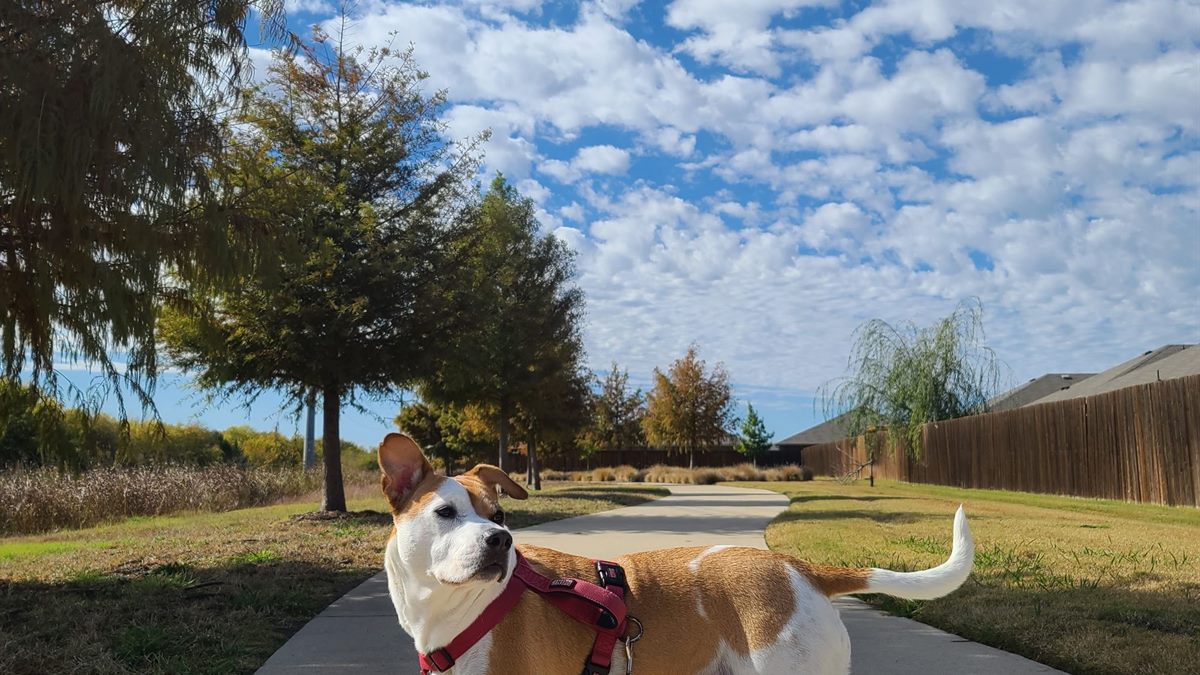
Decide how much walking your dog needs
There is no single number that fits every dog. Age, size, breed history, health, and temperature all change the answer. A young, high-energy working breed may need an hour or more of real activity. A senior dog with arthritis may do better with several gentle sniff walks. A flat-faced breed can struggle in heat and needs shorter, shaded routes.
Use the dog’s behaviour as feedback. A dog that still has restless energy at night may need more movement or more mental work. A dog that lags, limps, or pants heavily may need less. Ask your vet for a target if the dog is very young, very old, overweight, or recovering from injury.
Split the day into predictable slots
Three smaller walks beat one long walk that may or may not happen. A short morning toilet walk, a midday break, and an evening walk give the dog reliable chances to empty its bladder and leave the house. The evening walk can be the longest; the morning one can be a ten-minute sniff and toilet trip.
Keep the times roughly consistent. Dogs learn the pattern quickly, and a predictable outlet reduces whining, pacing, and destructive chewing. If your schedule changes, keep at least the first and last walk anchored.
Let the dog sniff
A walk is not only distance. Sniffing is how a dog reads the neighbourhood, and it is mentally tiring in a good way. A twenty-minute walk at a loose lead, with stops to investigate, can settle a dog more effectively than a fast march around the block.
Build sniff time into the route instead of fighting it. Choose quiet streets, grass edges, and parks where the dog can stop without blocking traffic. Reserve a separate, faster segment for aerobic exercise if the dog needs it.
Keep the equipment boring and reliable
A well-fitted harness spreads pressure across the chest and is harder to back out of than a collar. Check the fit every few weeks, especially on a growing puppy. Use a fixed-length lead for everyday walks; retractable leads are a poor choice near roads, cyclists, and other dogs because the dog can be far away before you react.
Carry water on warm days, waste bags, and a small towel in wet weather. A reflective harness or light helps in winter. The best equipment is the gear you can put on in ten seconds without a struggle.
Set weather and safety rules
Hot pavement can burn paws. Test it with the back of your hand for five seconds; if it is too hot to hold, it is too hot to walk. Walk early or late, choose shade, and shorten the route. In cold weather, short-coated and small dogs may need a coat, and road salt should be rinsed off paws.
Keep the dog on a lead around traffic, livestock, and wildlife. Avoid letting unfamiliar dogs rush up, even friendly ones. A flexible route that can be shortened without drama is safer than a fixed loop that forces you through a busy junction every day.
Have a busy-day fallback
Some days the long walk will not happen. A ten-minute training session, a scatter feed in the garden, a frozen enrichment toy, or a sniff game indoors can take the edge off. The point is to keep the day’s pattern, not to replace exercise with screen time and hope.
If the dog is a puppy, keep walks short and build up gradually. The first weeks are covered in our guide to the first week with a puppy, including toilet timing and safe room setup.
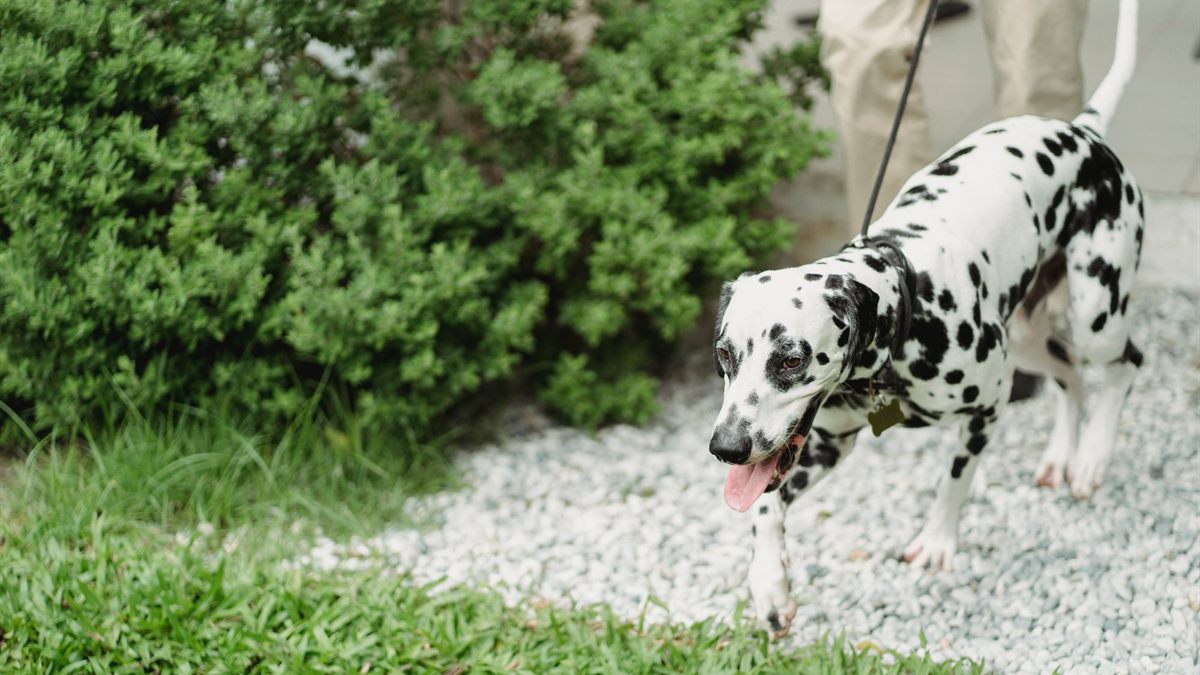
Fix the routine that keeps breaking
- Walking at a different time every day, so the dog never settles into a pattern.
- Making the only walk so long that it is skipped on busy days.
- Rushing the dog past every smell, then wondering why it pulls.
- Using a retractable lead near roads or cyclists.
- Walking on hot pavement or at the hottest hour of the day.
- Ignoring limping, lagging, or heavy panting instead of adjusting the route.
Review the routine once a month
Dogs change: a puppy becomes an adolescent, an adult slows down, the weather shifts. Once a month, look at the week as a whole. Are the walks happening? Is the dog settled afterwards? Does the route still suit the dog’s age and health? Adjust one thing at a time.
For general exercise and preventive health guidance, the AVMA pet owner resources are a solid starting point. A routine is not a punishment schedule; it is the structure that makes the good days possible.
Frequently Asked Questions
How many times a day should I walk my dog?
Most adult dogs do well with two or three walks a day. Puppies, seniors, and dogs with health conditions need shorter and more frequent outings. Adjust to the individual dog rather than a fixed rule.
Is a twenty-minute walk enough for a dog?
It can be enough for a low-energy adult or a senior, especially if it includes sniffing and training. High-energy dogs usually need more. Watch the dog’s behaviour and energy at home for clues.
Should I walk my dog before or after eating?
A short walk before a meal is often easier, and it gives the dog a chance to toilet. Avoid vigorous exercise immediately after a large meal, especially in deep-chested breeds. Ask your vet if your dog has a specific risk.
What if my dog refuses to walk?
Check the basics first: weather, pavement temperature, fear, pain, and a poor harness fit. A dog that suddenly stops walking, limps, or pants heavily should be seen by a vet. Otherwise try a quieter route and a slower pace.
Read next
The First Week With a Puppy: A Calm, Practical Plan
The first week is not about teaching tricks. It is about safety, sleep, and a routine predictable enough that a puppy can relax.