Ask the vet which vaccines are core for an indoor cat. Kittens need a series rather than a single injection. A cat uses the space you give it, so height, hiding places, and scratching surfaces matter more than any single toy.
Build the environment first
Keep every date in one record. Wait for the course before mixing with unknown cats. Cats prefer resources spread apart, and a food bowl placed next to the litter box creates avoidable stress.
Keep resources separate
Follow the booster interval the vet recommends. Keep the record available for boarding and travel. The litter box is the clearest daily health report a cat provides, which is why cleaning and observing it matters.
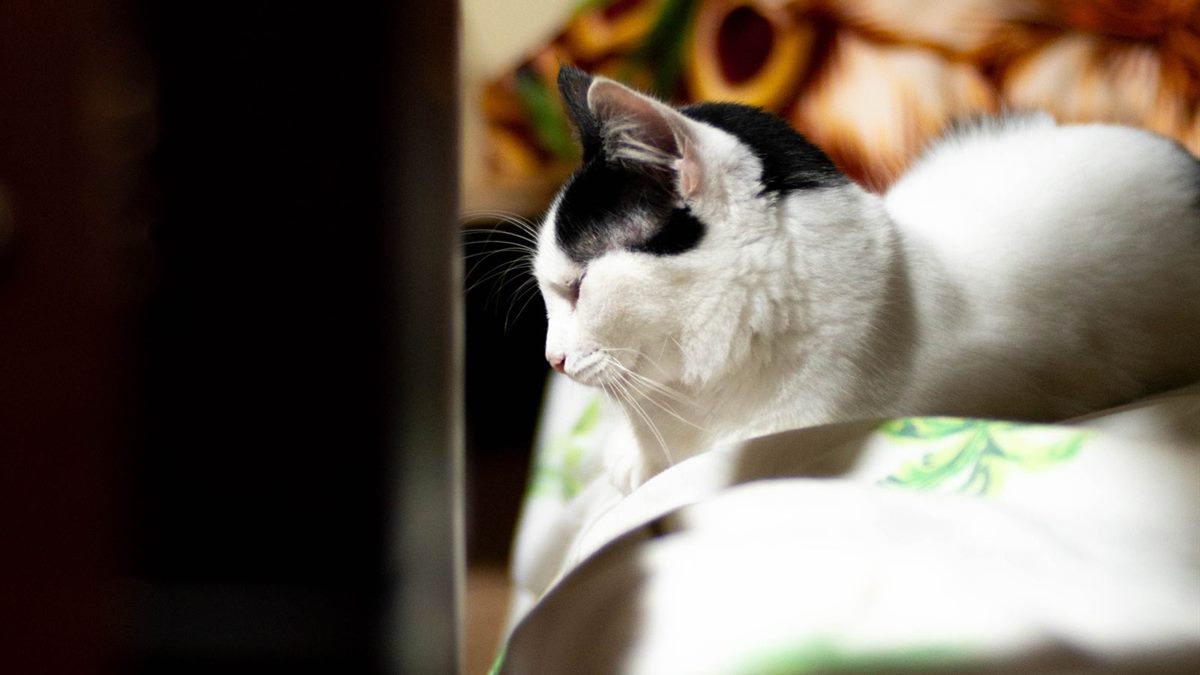
Before adding another toy or tree, count the resources: litter boxes, water bowls, scratching posts, resting spots, and high places. A multi-cat home needs one more litter box than the number of cats, and each resource should be visible without crossing another cat. Spend a week noting where the cat actually rests and scratches, then place the equipment there rather than where it looks best in the room. Watch the traffic in the room as well, since a resource placed in a corridor gets used less than the same resource in a quiet corner. Feed in separate rooms if two cats stare at each other over the bowl, and move a box rather than adding a fourth when both cats prefer the same spot. Good placement costs nothing and fixes more than new equipment does.
Some vaccines depend on the local disease risk. Cats resist sudden change, so move furniture and food in small steps rather than all at once.
Check the basics first
- Follow the kitten series
- Record every date
- Keep boosters current
- Bring the record to boarding
Watch the litter box closely
Mild lethargy after a vaccine is common. Call the vet if a reaction is severe. Play that mimics hunting is more satisfying than a toy left on the floor.
Do not skip a booster because the cat stays indoors. Check the record before every appointment.
Make changes slowly
Ask about the risk of the diseases in your area. Keep the carrier ready for the appointment. A calm cat is usually a cat with choices, not a cat with more equipment.
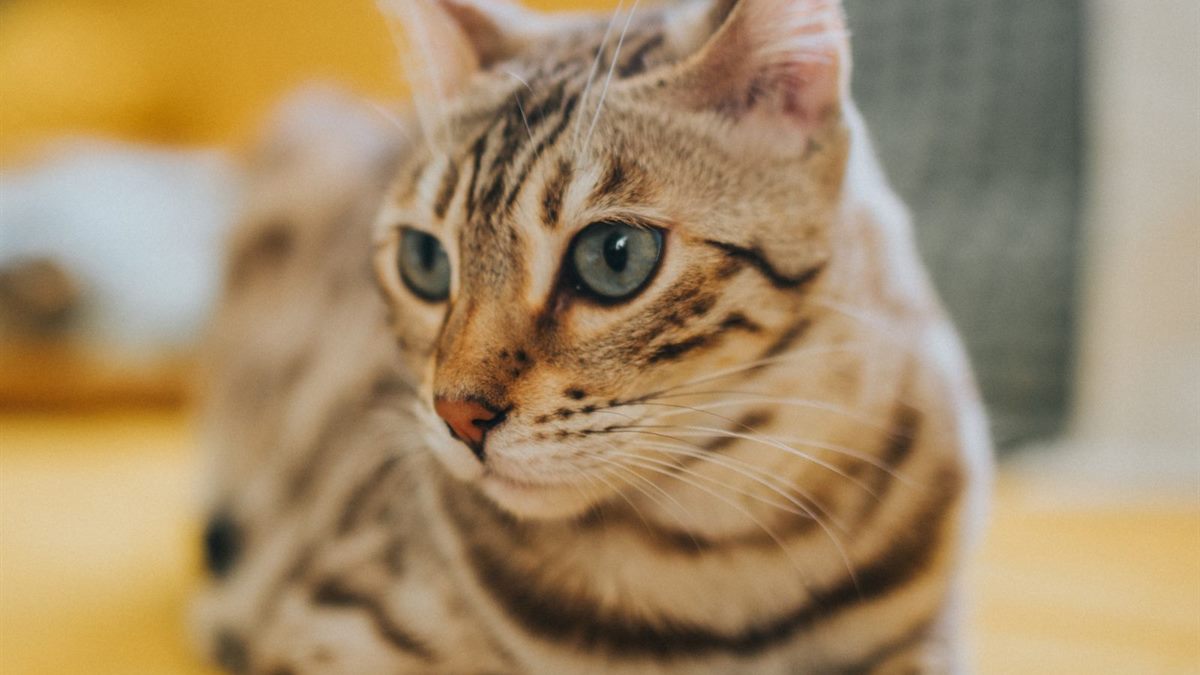
If behaviour changes, check the litter box and the food intake first, since both reveal problems earlier than a vet visit can. Keep the litter clean, the water fresh, and the routine steady, especially after a move or a new pet. Introduce changes one at a time and give the cat a week to adjust, because a confident cat explores on its own schedule, not on yours. Keep a note of the weight monthly with a kitchen scale if the cat tolerates it, because a small drop matters more in cats than in dogs. Watch for a change in grooming, a quieter meow, or a different sleeping place, since these often appear before appetite changes do. When in doubt, book the vet visit rather than waiting for a clearer sign, and bring the log with you.
Do not vaccinate at home without guidance. Update the record after each visit. A current record prevents last-minute problems at the cattery. If you want the wider picture, read Grooming a Cat Without a Fight before you decide.
For the underlying guidance, see the International Cat Care advice.
Frequently Asked Questions
Do indoor cats need vaccines?
Yes. Some diseases can enter on shoes or through windows, and boarding requires records.
How often are cat boosters?
Depends on the vaccine and the vet advice. Usually every one to three years.
What if I miss a booster?
Contact the vet. The schedule may need adjusting depending on the gap.
Are vaccines safe?
Serious reactions are rare. Mild tiredness for a day is common.
Read next
Indoor Cat Enrichment: Build a Home Worth Exploring
An indoor cat does not need more toys. It needs a home with height, scratchable surfaces, a hunting routine, and places to watch the world go by.